
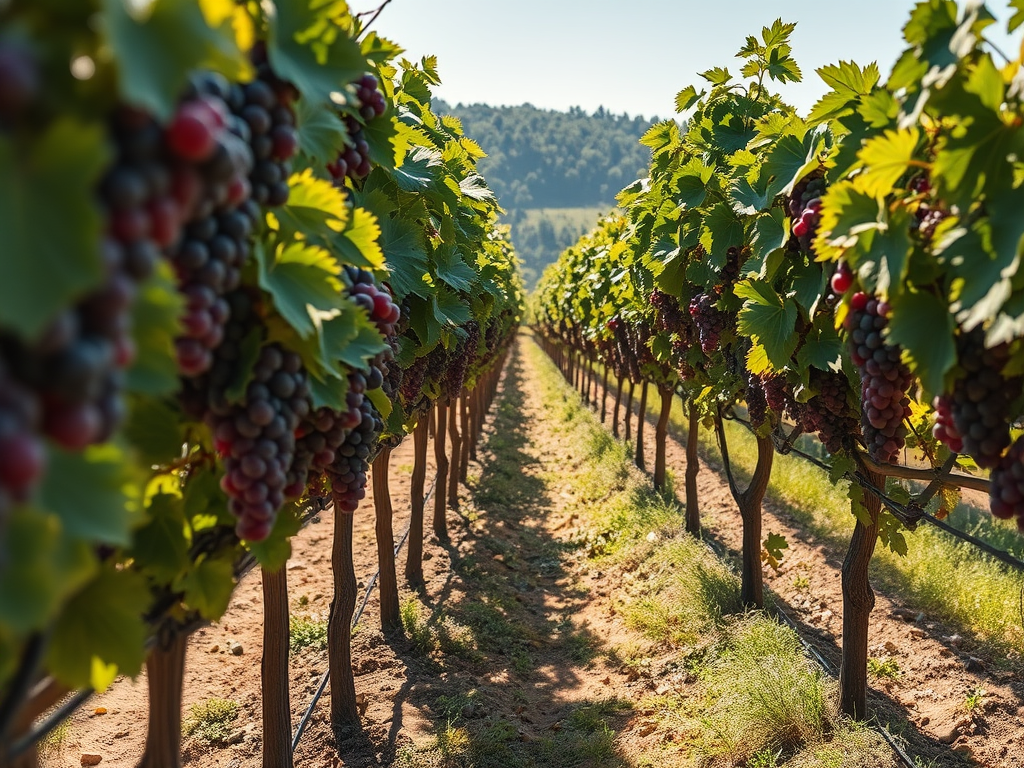
Have you ever swirled a glass of wine and wondered what makes it taste so unique? The answer begins long before the bottle — it starts in the vineyard. The science and craft behind growing wine grapes is called viticulture, and it’s the foundation of every exceptional vintage.
In simple terms, viticulture is the cultivation and study of grapevines. It’s a blend of agriculture, art, and environmental science — all focused on producing healthy grapes that reflect their place of origin, known in the wine world as terroir.

🌿 The Basics: From Vine to Glass
Viticulture covers everything that happens in a vineyard, including:
- Planting: Choosing the right grape varieties for the local soil and climate.
- Pruning: Training vines to grow in a way that balances fruit production and leaf growth.
- Irrigation: Managing water carefully to avoid stress while developing concentrated flavor.
- Pest & Disease Control: Keeping the vineyard healthy through natural or sustainable methods.
- Harvesting: Deciding the exact moment to pick grapes — often the most critical decision of all.
Every decision in the vineyard impacts how the wine will eventually taste. Even subtle factors like soil type, elevation, and temperature shifts can shape a wine’s aroma and complexity.

☀️ Climate and Terroir: Nature’s Signature on Every Sip
No two vineyards are exactly alike. A Cabernet Sauvignon grown in California’s Temecula Valley will differ from one grown in Bordeaux or Chile — even though they’re the same grape. That’s because terroir — the combination of soil, climate, and geography — gives each vineyard its personality.
Warm, sunny climates often produce bolder, fruit-forward wines, while cooler regions create lighter, more acidic styles. Viticulturists study these conditions closely to match grape varieties with ideal environments.

🌱 Sustainable Viticulture: Growing with the Future in Mind
Many Temecula vineyards are committed to sustainable and regenerative viticulture — approaches that protect the land for future generations. This includes using cover crops to improve soil health, encouraging beneficial insects instead of chemical sprays, and conserving water through precision irrigation.
Sustainable viticulture not only nurtures the environment — it often leads to more expressive wines, as healthy soils and balanced ecosystems help vines thrive naturally.

🍷 Viticulture Appreciation
To understand viticulture is to appreciate the artistry and intention behind every glass. Every vineyard has its rhythm — the changing seasons, the careful tending of vines, and the knowledge passed down through generations.
Next time you enjoy a tasting, take a moment to imagine the vineyard where those grapes were grown — the sunlight on the leaves, the soil beneath the roots, and the people who made it all possible.

🍾The Last Sip
Behind every beautiful bottle of wine lies a deep connection between people, plants, and place. Viticulture reminds us that great wine doesn’t just happen — it’s grown, nurtured, and cared for from the ground up.
Sip Smarter. Savor Temecula.
Leave a Reply